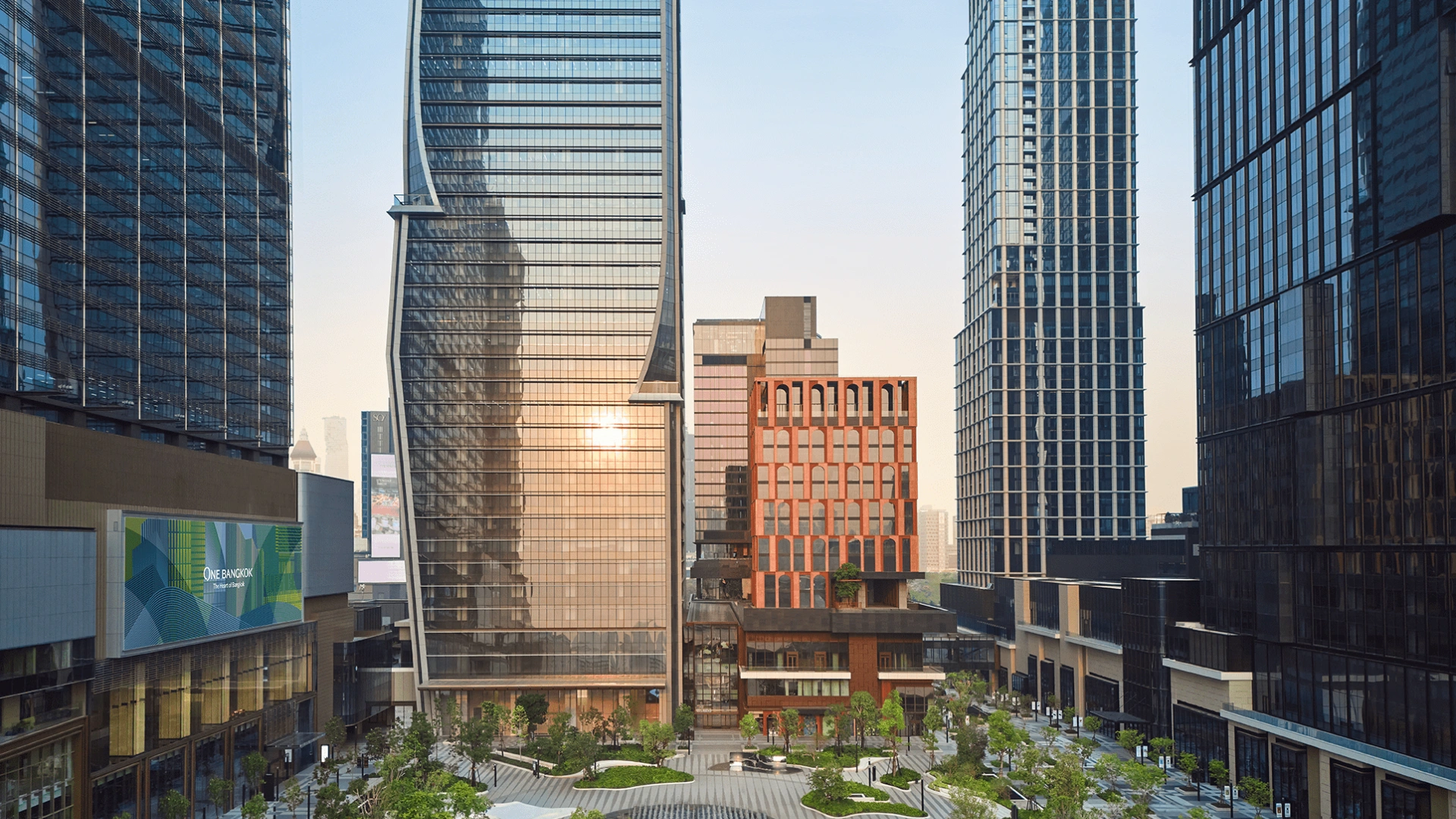
Can Foreigners Buy Property in Thailand? Freehold, Condo and Leasehold Rules for 2026
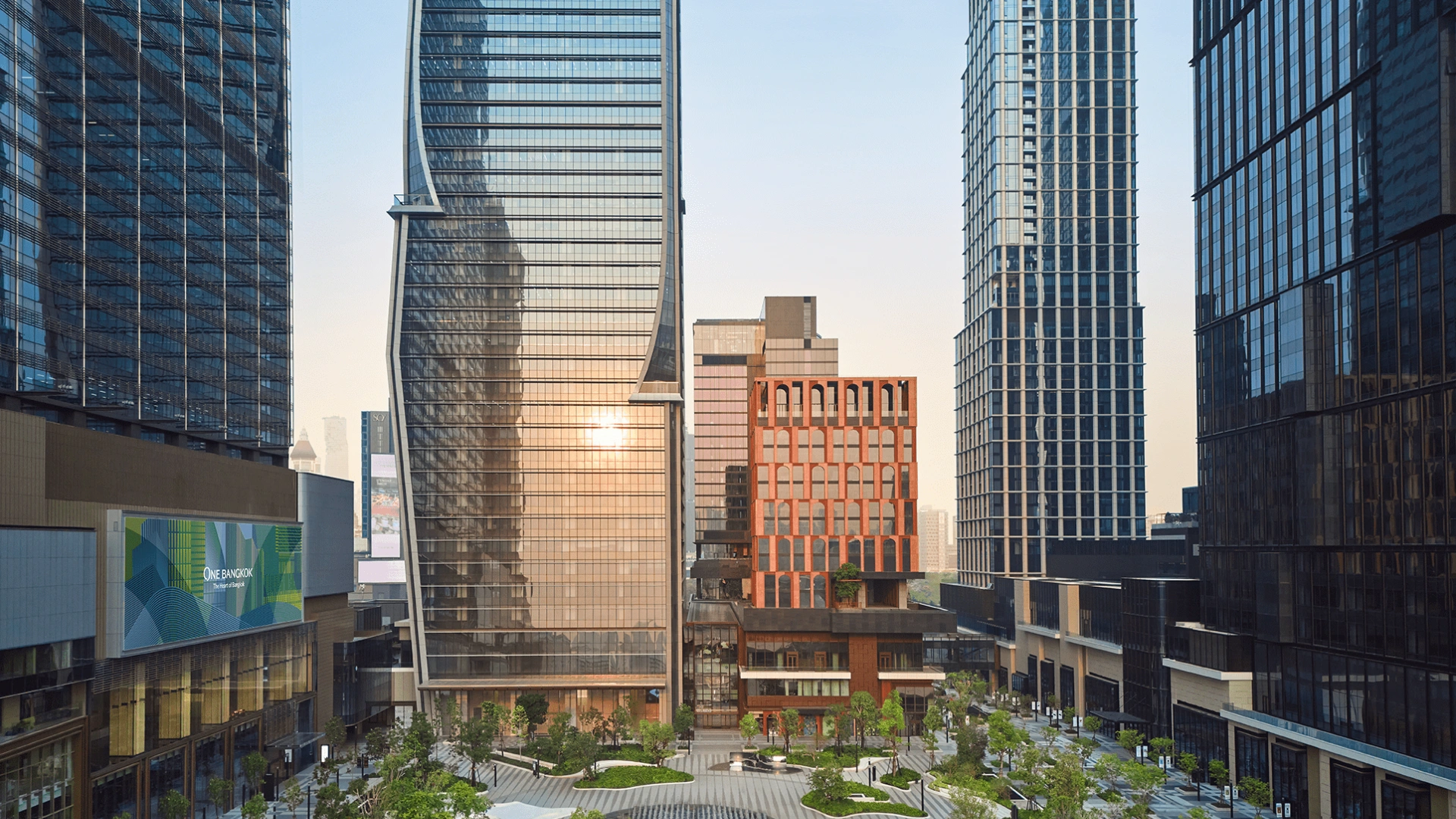 Yes, foreigners can buy property in Thailand, but only in certain forms. A foreign buyer can own a condominium unit freehold, within a quota. A foreign buyer cannot own land outright, so houses and villas need a different legal structure. This guide explains how foreigners can buy property in Thailand, what "freehold" means for an expat, how the purchase process works, which shortcuts to avoid, and what has changed in 2025 and 2026.
Key Summary
Condominium units: yes, freehold in your own name, if the building still has foreign quota available.
Land: no. Foreigners cannot own land in Thailand, apart from a narrow, rarely used exception for very large investments.
Houses and villas: possible through a registered lease, a usufruct or a superficies over the building, not through freehold land title.
Visa: you do not need a special visa to buy, but the money must be brought in from abroad in the right way.
Can Foreigners Buy Freehold Property in Thailand?
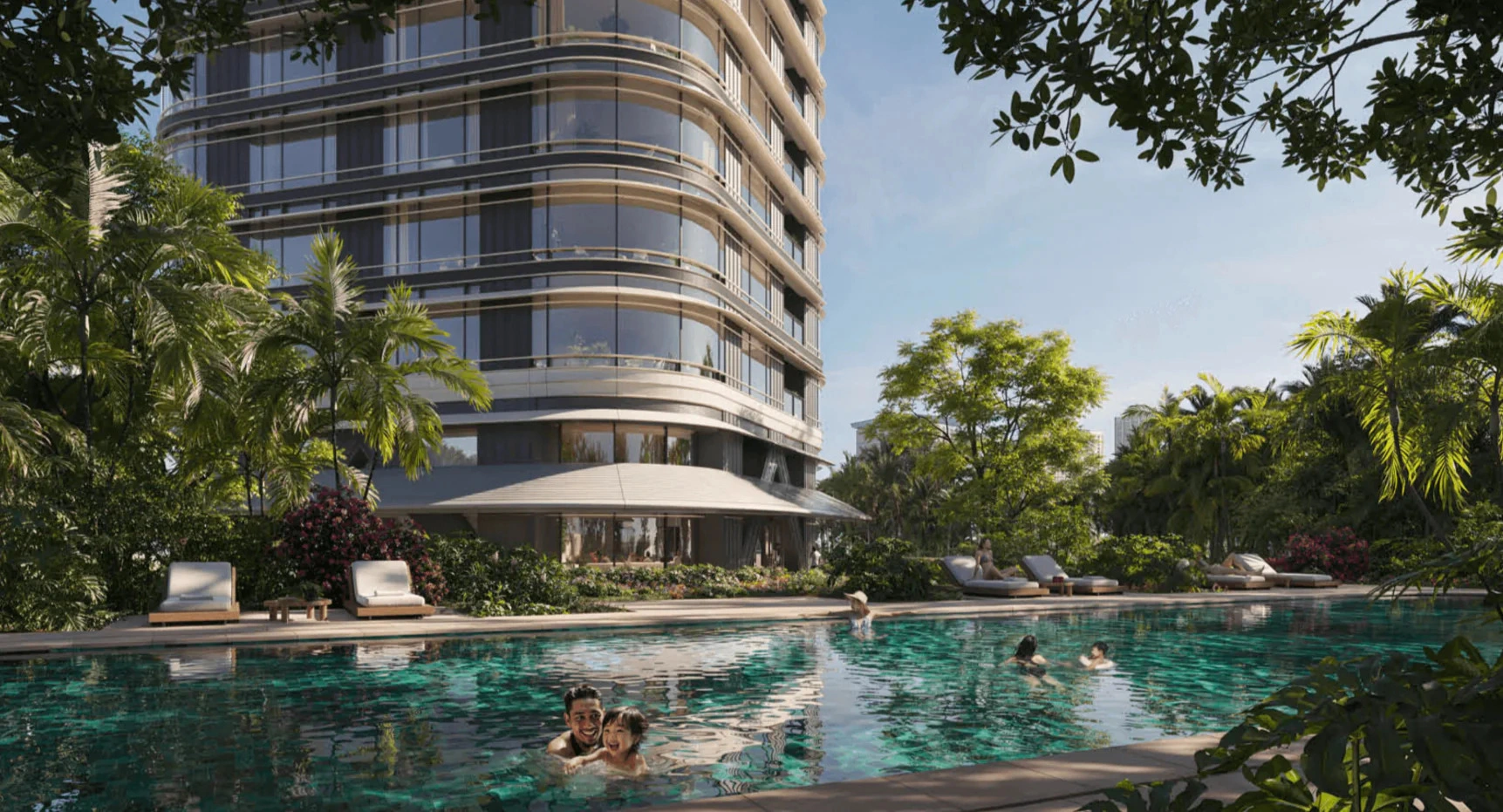 The answer depends on the property type.
Condominiums: Freehold Is Available
Under the Condominium Act, a foreigner can hold freehold title to a condominium unit, provided that foreign ownership in the building does not exceed 49% of its total saleable floor area. This is the simplest route and the one most expats use. Browse current condominiums for sale in Bangkok to see what is available under this structure.
Land: Not Available to Foreigners
Foreigners cannot own land in Thailand. The Land Code does contain an exception for a foreigner who invests THB 40 million or more, allowing up to one rai (1,600 sq.m.) for residential use, but it requires case-by-case approval by the Minister of Interior and is rarely used in practice.
Houses and Villas: Lease, Usufruct or Superficies
A foreigner can own the house itself but needs a right to use the land beneath it. The usual options are:
Registered lease: up to 30 years under Thai law. Pre-agreed renewal promises designed to extend the term, such as "30+30+30", have been found void by the Supreme Court, so renewals should be treated as something to register again rather than assume.
Usufruct: a right to use and live on the property, typically for life.
Superficies: ownership of the building on land owned by someone else, which can be inherited.
Browse villas for sale in Bangkok to see what is currently offered, and take legal advice on the structure before any payment.
How the 49% Foreign Quota Works
The quota applies per building. It is measured by floor area, not by number of units: foreigners may collectively hold no more than 49% of the saleable area registered for the condominium. When you buy, the Land Office checks the ratio, including your unit, before registering the transfer.
Two practical points:
Popular buildings can reach their limit. Ask the juristic person office for a dated written confirmation as close to transfer as possible.
When the quota is full, a foreigner can still take a leasehold on a unit, but not freehold title.
Some prime Bangkok projects are leasehold by design, so always confirm the title type and remaining lease term for the specific unit.
How Can Foreigners Buy Property in Thailand? Step by Step
Step 1: Choose a Property Type That Fits the Rules
Most foreign buyers start with a condominium. If you are comparing categories, see penthouses for sale in Bangkok, branded residences for sale in Bangkok and the villa options above. For background, read what a penthouse is, what a branded residence means and our guide to the top branded residences in Bangkok.
Step 2: Confirm the Foreign Quota and Title
Ask the juristic person office to confirm the foreign quota in writing. Check the title deed and whether the unit is freehold or leasehold before paying any deposit.
Step 3: Reserve the Unit
A reservation deposit takes the unit off the market and is usually signed with a booking agreement. Deposits are commonly non-refundable if you withdraw, so read the terms first.
Step 4: Review and Sign the Sale and Purchase Agreement
The agreement sets out the price, payment schedule, transfer date and who pays which fees and taxes. Have an independent Thai lawyer review it before signing.
Step 5: Transfer the Funds From Abroad
For a foreign buyer, the purchase money must be brought into Thailand from abroad in foreign currency, in the buyer's own name, with the purpose stated, and converted to baht in Thailand. The receiving bank issues a Foreign Exchange Transaction (FET) form for transfers of USD 50,000 or more, or a confirmation letter for smaller amounts. Baht sent from an overseas account, or baht borrowed inside Thailand, may not satisfy the requirement, so ask the bank how it will document the funds.
Step 6: Register the Transfer at the Land Department
Both parties, or their attorneys, attend in person. Typical documents include the passport, the FET form or bank letter, the sale agreement and the title deed. The unit must be clear of outstanding common-area charges, shown by a debt-free certificate from the juristic person. Transfer fees and taxes are paid in the proportions agreed in the contract, and you receive the title deed.
What It Costs: A Short Overview

Transfer fee: 2% of the official appraised value, split between buyer and seller as agreed in the contract. The temporary reduced fee of 0.01% for properties up to THB 7 million applies only to Thai nationals, so foreign buyers pay the standard rate.
Mortgage registration (if you borrow): 1% for foreign buyers, with a cap reported at THB 200,000.
Seller-side taxes: specific business tax or stamp duty and withholding tax, with who bears them set by the contract.
Ongoing: common area fees and annual local taxes.
For how these costs affect returns, see our guide to luxury property investment in Bangkok.
Can Foreigners Get a Mortgage in Thailand?
There is no statute that bans Thai banks from lending to foreigners, but lending is limited in practice. Banks usually want Thai income, a work permit, a Thai salary history and credit records, and they typically lend only against freehold condominiums within the foreign quota. Foreign applicants without Thai income often find a home loan hard to obtain, and lenders that do accept them may cap the loan at roughly 50 to 70% of their own valuation, which means a large cash down payment.
Developer payment plans are different from loans. They spread payments during construction, but the balance due at transfer can be large, and if a bank loan fails the buyer can lose the deposit. Read the forfeiture clause before reserving.
What Does Not Work? Nominees and Shortcuts
Some sellers and agents suggest buying through a Thai company or a Thai nominee. These structures are the main legal risk for foreign buyers.
Nominee arrangements are targeted by authorities. In 2026 the Department of Lands tightened checks on nominee land deals, including verification of source of funds, review of companies with foreign shareholders or directors, and monitoring after registration.
Consequences can be serious. Reported consequences include orders to dispose of the land, fines and imprisonment for the foreigner and the Thai nominee. A Thai company does not avoid the condominium quota either, because a foreign-controlled company counts against it.
Buying within the legal structure is slower and more limited, but it is the route that protects your ownership.
Inheritance and Resale
If a foreigner who is not otherwise eligible inherits a condominium unit, the heir must notify the authorities within a set period and sell within one year. If the unit takes the building over the 49% quota, the excess must be sold. A Thai will helps administration but does not remove the obligation. Resale to another foreign buyer depends on quota availability in the building at that time.
What Changed in 2025 and 2026?
Residency: the Board of Investment's 2025 announcement lets property investment qualify for the Long-Term Resident (LTR) visa, with a minimum property investment of USD 500,000 for wealthy global citizens (with at least USD 1 million in global assets) and USD 250,000 for wealthy pensioners aged 50 or over, plus health coverage conditions. Buying property does not on its own grant a visa.
Transfer fees: from 1 July 2026 to 30 June 2027, transfer and mortgage registration fees are reduced to 0.01% on qualifying residential property up to THB 7 million, but only for Thai individuals.
Enforcement: the 2026 tightening of nominee land checks, described above.
Proposals that are not law: raising the condominium foreign quota to 75% and allowing 99-year leases have been discussed since 2024. At the time of writing, the 49% quota and the 30-year lease limit remain in force.
If you were reading about "2025" rules and are now searching for 2026, these are the points to re-check with a lawyer.
Where Foreign Buyers Usually Look?
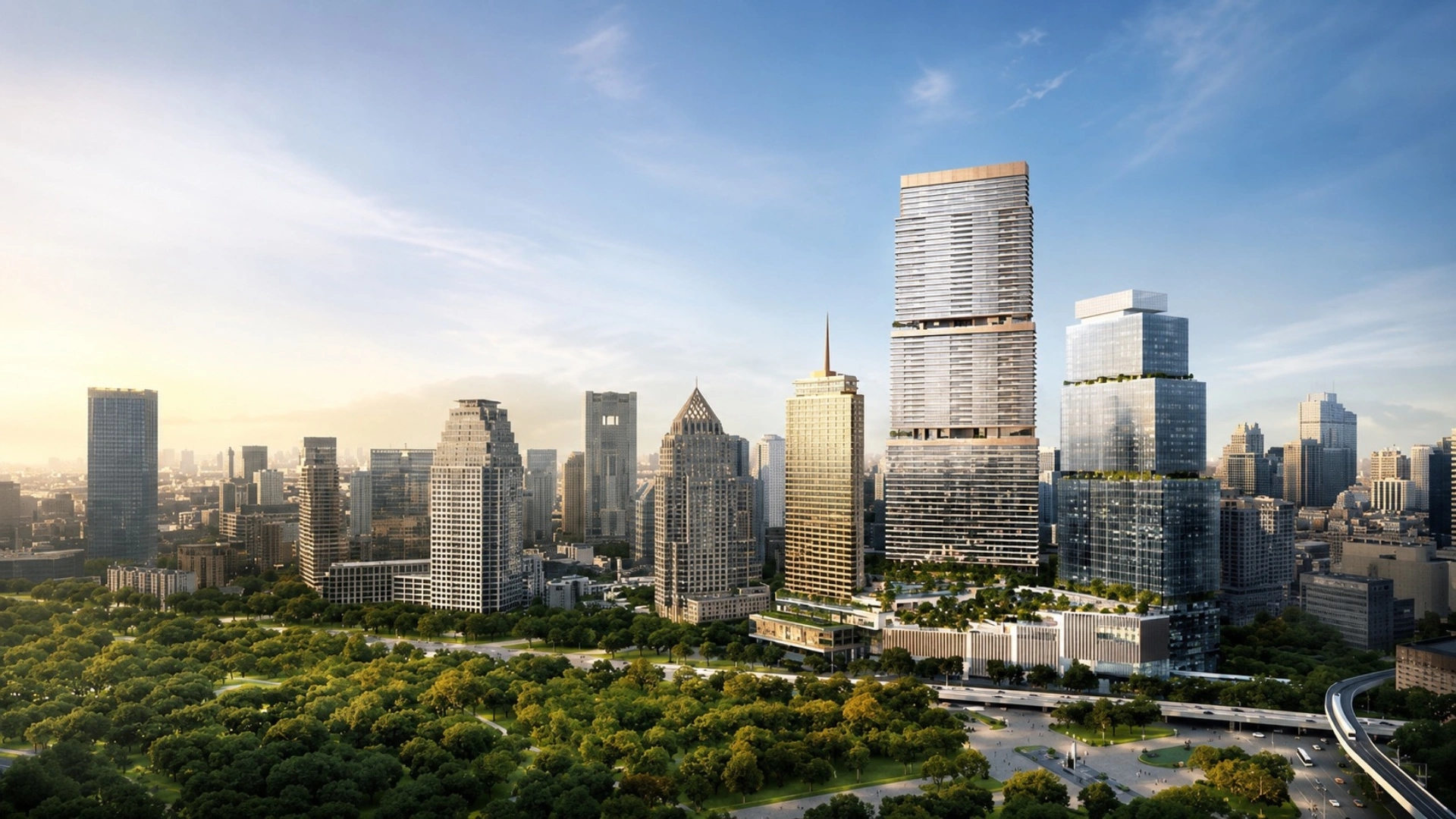
Lumpini Park and Langsuan: see condominiums near Lumpini Park
Wireless Road: see our guide to Wireless Road condominium options
Phrom Phong: see this guide to Phrom Phong condominium projects
Chidlom and Ploenchit: browse Chidlom-Ploenchit condominiums for sale
Riverside: browse riverside condominiums for sale
A Checklist Before You Buy
Confirm the foreign quota and title type in writing.
Have an independent Thai lawyer review the contract.
Plan the money transfer so the FET form or bank letter is issued correctly.
Avoid nominee or company structures for land or condominium ownership.
Check building rules on rentals and pets, plus common area fees.
Get tax advice in Thailand and in your home country.
Speak With Prime Collection by Click Property
If you are still deciding which property type or building suits your situation, a conversation can save time. As a luxury real estate agency in Bangkok, Prime Collection by Click Property can explain how the ownership rules apply to specific projects, check quota and title questions, and arrange viewings, working alongside your own legal and tax advisers.
LINE Official: @cproperty
WhatsApp: +66 99 456 5465
Phone: +66 99 456 5465
References
Thailand Condominium Act, section 19 and related provisions, as summarised by Thai legal sources
Luther Lawfirm, "Department of Lands tightens enforcement against nominee land ownership in Thailand" (June 2026)
Forvis Mazars Thailand, reduced land transfer and mortgage registration fees
Tilleke & Gibbins, Thailand's LTR visa pathway through property investment
The Thaiger, buying property in Thailand as a foreigner
thailawonline.com, buying a condominium in Thailand; condo foreign ownership quota; mortgage laws