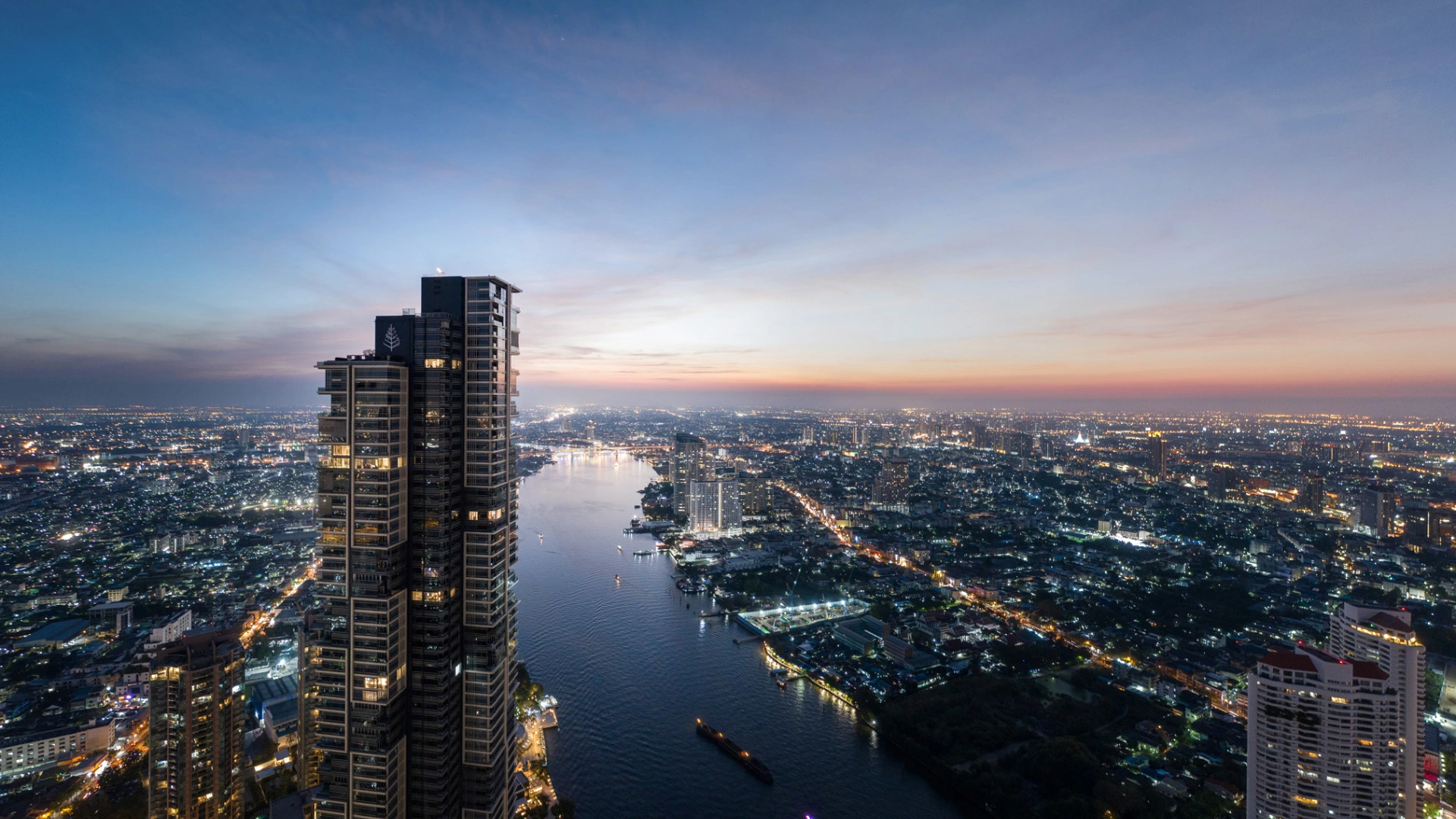
Buy Condo in Bangkok as a Foreigner: A Complete Legal and Buying Guide
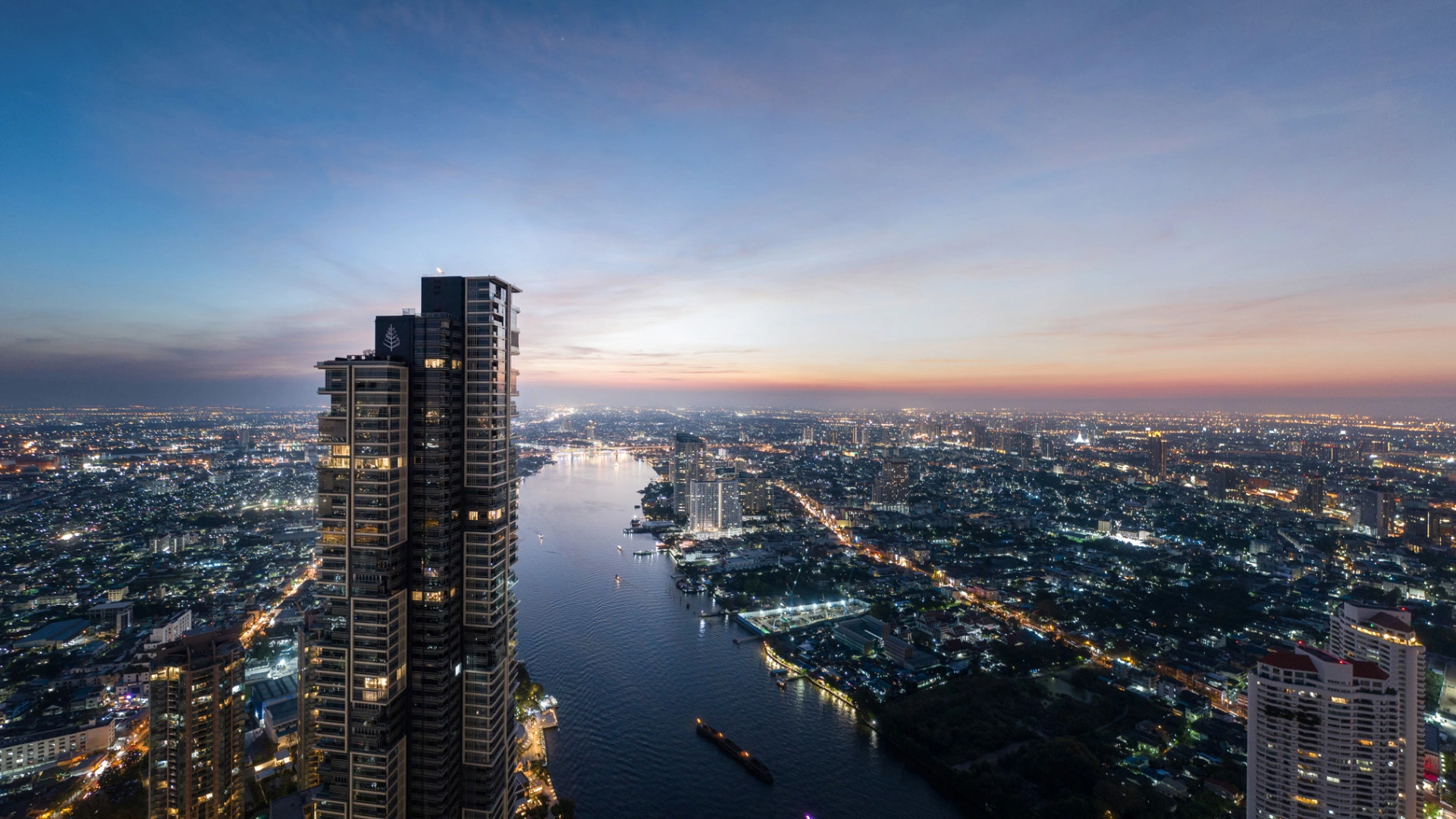 Foreigners can buy a condo in Bangkok as freehold property, held outright in their own name, under Thailand’s Condominium Act. The two main conditions are that the building must still have room within its 49% foreign ownership quota, and that the full purchase amount must be transferred into Thailand from abroad in foreign currency. The sections below walk through exactly how this works, step by step.
Can Foreigners Buy a Condo in Bangkok?
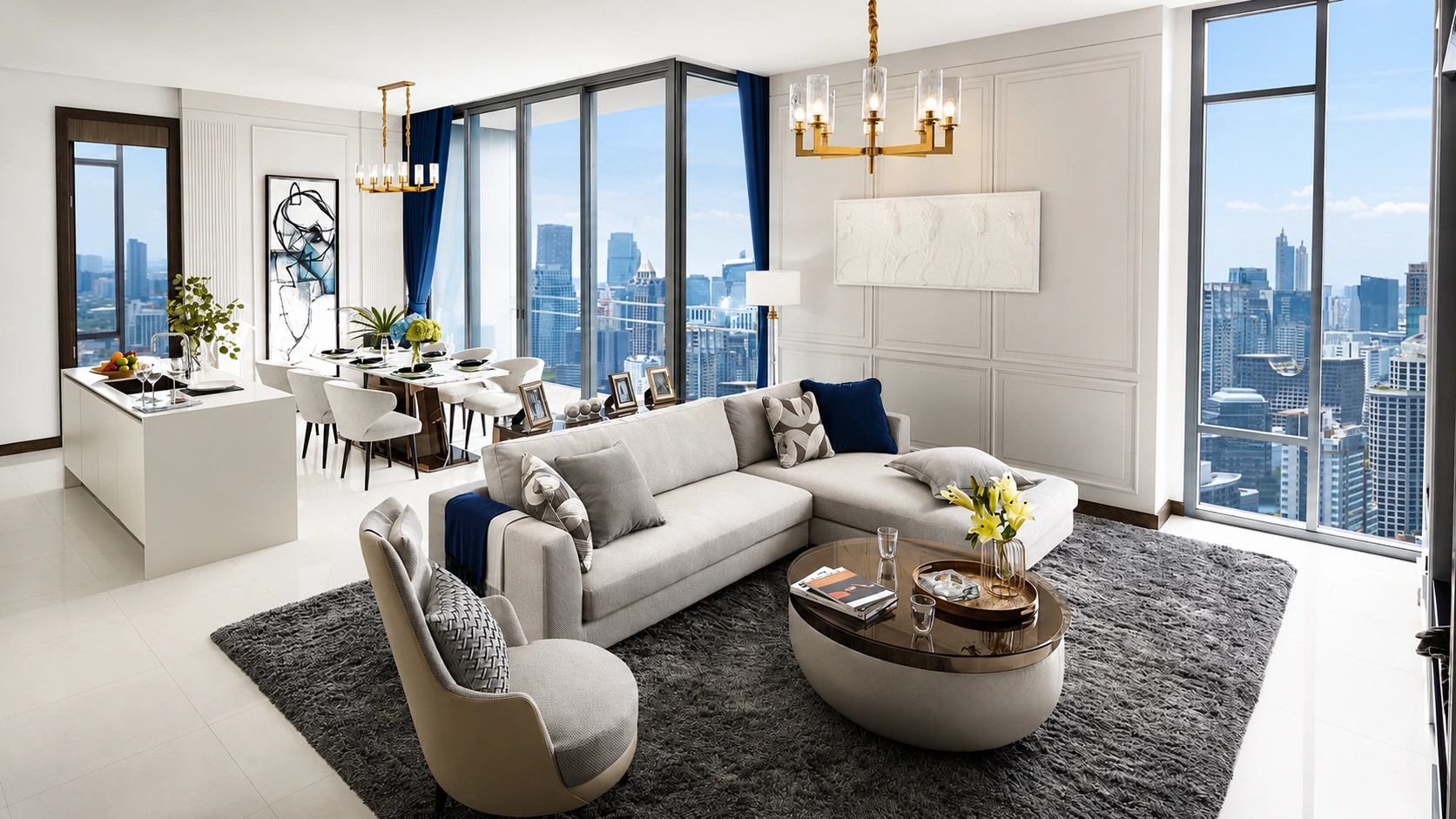 Yes. Foreigners can legally hold 100% freehold ownership of a condominium unit in Bangkok under the Condominium Act B.E. 2522, provided the building’s foreign ownership stays within its 49% quota and the purchase funds are remitted from overseas in foreign currency.
This makes condominium ownership one of the most direct and secure property investments available to non-Thais in the region. Unlike landed houses, villas or townhouses, where foreign land ownership is restricted under the Land Code, the Condominium Act specifically allows non-Thai buyers to hold a freehold title deed (Chanote) for an individual unit in their own name. That said, completing the purchase and registering the title still requires meeting specific eligibility rules, quota limits and foreign exchange documentation.
Who Is Eligible to Buy a Condo in Thailand?
Under Section 19 of the Condominium Act, foreign individuals and entities can acquire freehold condominium ownership if they fall into one of several recognised categories: permanent residents of Thailand, holders of a BOI investment visa, Thai-registered entities classified as foreign under the Land Code, BOI-promoted foreign companies, or, most commonly, foreign individuals and entities who remit funds in foreign currency from abroad specifically to complete the purchase. For the large majority of international buyers, it is this last pathway, Section 19(5), that applies, making an overseas currency transfer the standard route into ownership.
What Is the 49% Foreign Ownership Quota?
Under Section 19 bis of the Act, foreign buyers may collectively hold freehold title to no more than 49% of a building’s total sellable floor area, with the remaining 51% required to stay in Thai ownership. This cap is measured by floor area, not by number of units, so a large penthouse consumes considerably more of the quota than a small studio. If a building’s foreign quota is already full, a new freehold purchase cannot be registered unless an existing foreign owner sells to another foreigner; otherwise, buyers typically look at a leasehold structure instead.
Freehold vs. Leasehold Condos in Bangkok: What Foreign Buyers Should Know
Foreign buyers in Bangkok generally choose between two ownership structures, and the legal rights attached to each differ considerably.
Ownership Feature | Freehold | Leasehold |
Legal nature | Outright ownership | Long-term contractual lease |
Duration | Indefinite | 30-year statutory maximum, often with renewal options |
Title document | Title deed (Chanote) in buyer’s name | Registered 30-year lease agreement |
Foreign quota limit | Subject to the 49% cap | No quota restriction |
Overseas remittance required | Yes | No |
Juristic Person voting rights | Full voting rights as co-owner | No voting rights |
Resale value | Trades at full market value | Typically discounted, declining as the lease term shortens |
A freehold owner receives a title deed from the Land Department, along with proportional co-ownership of shared property and voting rights at the Condominium Juristic Person’s general meetings. A leasehold buyer, by contrast, registers a lease against the landowner’s title and has no vote in how the building is managed. Thai law caps a single registered lease term at 30 years; developers often offer contractual promises of renewal beyond that (commonly marketed as “30+30”), but these renewals are not guaranteed by statute and depend on the landowner at the time of expiry.
How to Buy a Condo in Bangkok as a Foreigner: Step-by-Step
The process differs slightly depending on whether you are buying a new, off-plan development or an existing resale unit.
Step 1: Property Selection and Foreign Quota Verification
For a new development, the developer’s sales team manages quota allocation and should confirm in writing that your unit falls within the foreign quota. For a resale unit, your agent or lawyer should verify quota availability directly with the building’s Juristic Person manager or the Land Office.
Step 2: Reservation and Sale and Purchase Agreement (SPA)
New developments typically involve a reservation fee, followed by a contract deposit of around 10–20% on signing the SPA, then staged installments through construction, with the balance due at transfer. Resale purchases usually involve a smaller deposit of 5–10%, with the remaining balance paid in full at the Land Office on the transfer date. Developer contracts for new projects are required by law to follow a standard Ministry of Interior format that protects buyers.
Step 3: Overseas Foreign Currency Remittance
Funds must be wired from an overseas bank account in foreign currency, with the transfer purpose explicitly stated as the purchase of a named condominium unit. The receiving Thai bank then issues the Foreign Exchange Transaction (FET) documentation needed for registration.
Step 4: Inspection and Document Verification
For a new unit, this means a pre-handover inspection to flag any defects before final payment. For a resale unit, it means a physical inspection plus a formal title search at the Land Office to confirm the title is free of liens, along with a debt-free certificate confirming common fees are fully paid.
Step 5: Title Transfer at the Land Office
The buyer, or an authorised representative holding a Power of Attorney, attends the Land Office in person. Officials verify eligibility documents and the FET certificate, confirm the building’s foreign quota, collect taxes and fees, and register the unit, after which the buyer receives the title deed.
What Documents Do Foreigners Need to Buy a Condo in Bangkok?
A complete document checklist for registering ownership typically includes:
A valid passport with a Thai entry stamp or visa
The signed Sale and Purchase Agreement
The Foreign Exchange Transaction (FET) form or bank credit advice
A Foreign Ownership Quota certificate from the Juristic Person manager
A debt-free certificate confirming no outstanding fees on the unit
A Power of Attorney form, if not attending the Land Office in person
A declaration confirming the funds are personal assets, required if the buyer is married to a Thai national
The FET form is a mandatory financial document confirming that purchase funds arrived from abroad in foreign currency. Banks automatically issue it for incoming transfers above roughly USD 50,000; smaller transfers typically receive a bank confirmation letter instead. To be valid, the funds must originate outside Thailand in a foreign currency, the beneficiary name should match the buyer’s passport, and the transfer purpose must clearly state that it is for a condominium purchase in Thailand.
How Much Does It Cost to Buy a Condo in Bangkok as a Foreigner?
Costs fall into two categories: one-time government fees at transfer, and ongoing building costs.
Government taxes and transfer fees
Transfer fee: 2% of the appraised value, usually split between buyer and seller
Stamp duty: 0.5% of the registered price or appraised value, where applicable
Specific Business Tax: 3.3%, applicable in certain resale situations
Withholding tax: calculated progressively for individual sellers
As a general guide, buyers should budget approximately 2–3% of the purchase price for their share of transfer taxes and fees.
Ongoing costs
Common area maintenance (CAM) fees, typically charged per square metre per month
A one-time sinking fund contribution at transfer, held in reserve for major building repairs
Annual building insurance, shared among co-owners
Can Foreigners Get a Mortgage to Buy a Condo in Bangkok?
 Yes, though financing options are more limited than those available to Thai citizens. Most local Thai retail banks are cautious about extending Baht mortgages to non-resident foreigners without long-term work status or a Thai spouse. Foreign buyers generally explore two routes instead: offshore or cross-border mortgages from international bank branches in Singapore, Hong Kong or elsewhere, offered in foreign currency, or selected foreign-friendly banks operating in Thailand that lend to holders of valid work permits or long-term visas. Loan-to-value ratios for foreign buyers are typically capped at 50–70% of the property value, requiring a substantial deposit, and any offshore loan funds brought into Thailand still need to generate a valid FET certificate to satisfy freehold registration requirements.
Where Are the Best Areas to Buy a Condo in Bangkok?
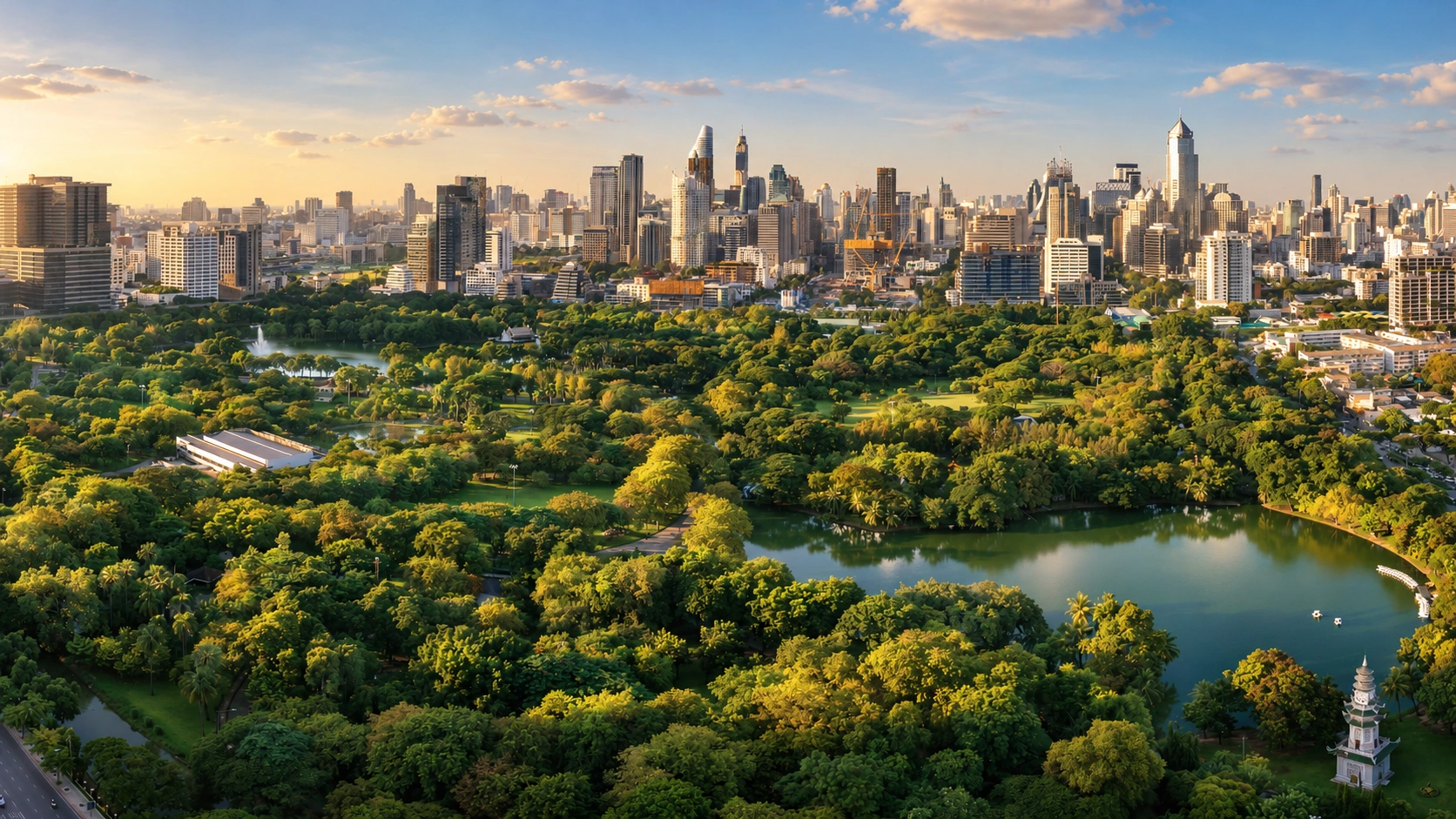 Bangkok remains the country’s largest market for foreign condominium buyers, and demand concentrates in a handful of established districts.
Sukhumvit
Sukhumvit is Bangkok’s main residential and lifestyle corridor for international residents, running along the BTS line from Nana and Asoke through Phrom Phong, Thong Lo and Ekkamai. It offers strong rental demand, international schools and major shopping centres.
Ploenchit-Chidlom
Ploenchit-Chidlom form the city’s central luxury retail and diplomatic core, home to high-end shopping centres, five-star hotels and foreign embassies, with condos commanding some of the highest per-square-metre prices in the city.
Langsuan-Lumpini Park
Bordering Lumpini Park, condominiums near Lumpini Park are known for their combination of green views, quiet surroundings and a mix of high-profile leasehold and freehold developments. Buyers exploring this area in more depth can read our dedicated guide to the Langsuan condo market.
Sathorn-Silom
As Bangkok’s primary financial district, Sathorn-Silom hosts major corporate headquarters, international banks and embassies, drawing corporate executives and expatriate tenants who want to be close to the city’s business core and its BTS/MRT interchanges.
Riverside
The Chao Phraya riverfront is home to some of the city’s most prominent riverside condominiums, including ultra-luxury branded residences and heritage five-star hotels, appealing to buyers and retirees drawn to panoramic water views.
Is Buying a Condo in Thailand a Good Investment?
 A Bangkok condominium can offer a combination of rental income and long-term value growth, though outcomes vary significantly by location and realistic planning matters.
On the upside, steady demand from corporate expatriates and international residents supports rental interest in well-located one- and two-bedroom units near transit lines, while continued interest from foreign buyers across several nationalities, combined with the generally stronger resale liquidity of freehold units, supports pricing. Ongoing infrastructure expansion, including new transit lines, also tends to support long-term land value in central districts.
On the risk side, vacancy rates can be higher in over-supplied or less central areas, monthly CAM fees and periodic sinking fund contributions reduce net rental returns, and overall performance remains tied to broader economic and tourism conditions. Historical net yields in the city have typically sat in the region of 4–6%, and buyers should treat this as a general reference point rather than a guarantee, since no return or appreciation figure can be promised in advance.
Common Mistakes Foreigners Should Avoid When Buying a Condo in Bangkok
Paying a deposit before confirming foreign quota availability. A non-refundable booking fee can be lost if the building’s quota turns out to be full.
Transferring funds in Thai Baht or from a domestic account. This prevents the bank from issuing the FET certificate required for freehold registration.
Leaving out the required wording on an overseas transfer. Omitting a clear statement that the funds are for a condominium purchase can delay the bank’s FET documentation.
Assuming a resale listing is freehold without checking the title. Always confirm ownership status directly on the Chanote.
Using nominee structures to bypass ownership limits. This is illegal under Thai law and carries serious legal risk.
Underestimating closing and ongoing costs. Budget for transfer taxes, stamp duty or SBT where applicable, the sinking fund, and annual CAM fees.
Skipping formal due diligence. A title search and a signed debt-free certificate should be confirmed before any transfer takes place.
Find Your Ideal Bangkok Condo with Prime Collection
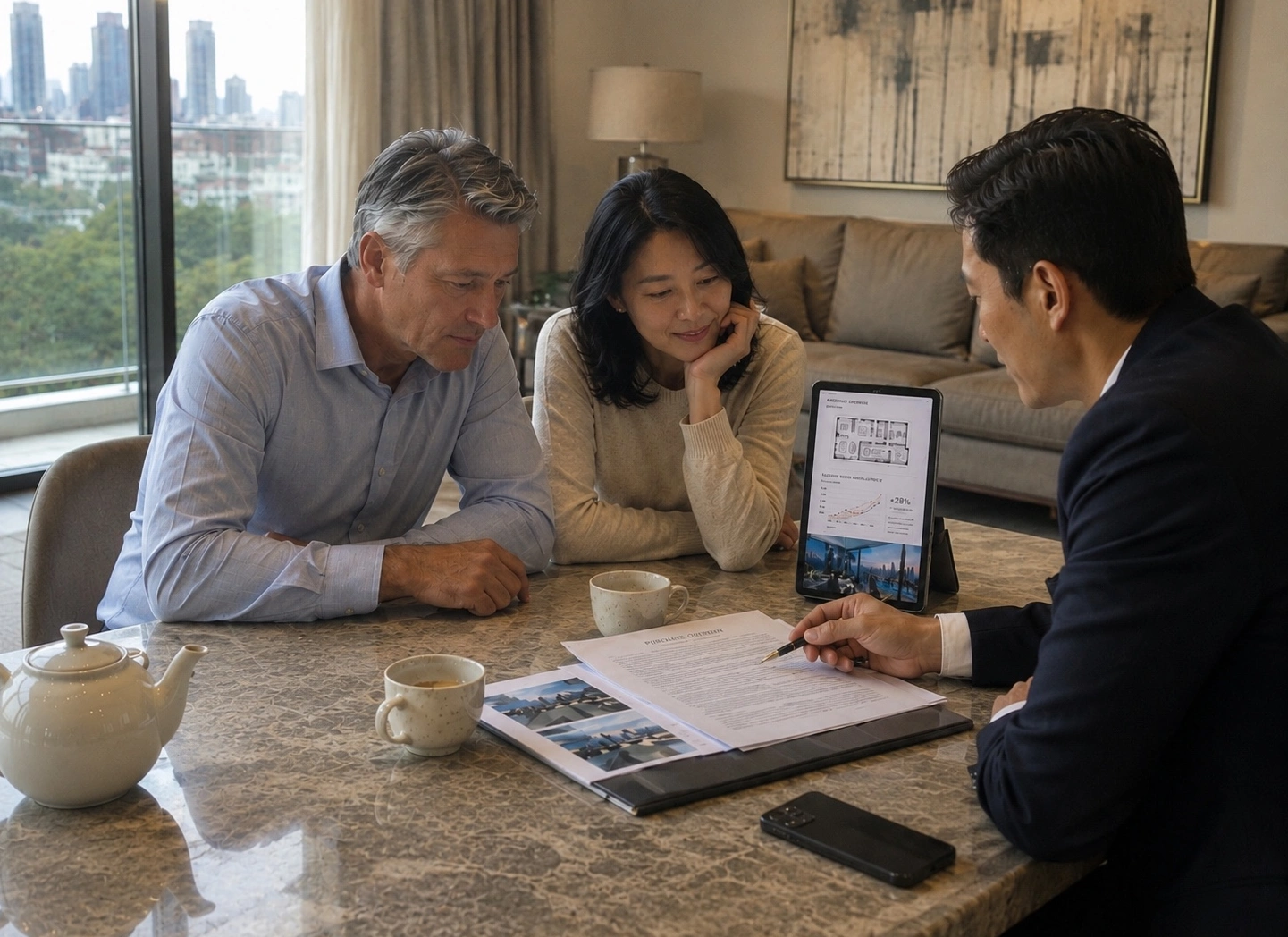 Buying a condo in Bangkok as a foreigner is entirely achievable, but navigating quota checks, FET documentation and the freehold-versus-leasehold decision is easier with the right guidance. Our listing of condominiums for sale in Bangkok is a good place to start exploring, whether that search leads you toward one of the city’s established branded residences in Bangkok or a standout unit among luxury penthouses for sale in Bangkok.
The team at Prime Collection by Click Property, a Luxury Real Estate Agency in Bangkok, has guided many foreign buyers in Bangkok condos through this exact process, from quota checks to final registration at the Land Office. Reach out via LINE Official: @cproperty or call 099-456-5465 to get started.
References
Bank of Thailand. (2022). Foreign demand in Thai condos post-COVID-19. Bank of Thailand.
Bank of Thailand. (2026). Housing loan product comparison. Financial Consumer Protection Center, Bank of Thailand.
CBRE Thailand. (2024, January 3). Buying property in Thailand for foreigners: Bangkok condo ownership. CBRE Real Estate.
Department of Lands. (1979). Condominium Act B.E. 2522 (1979) and related ministerial regulations. Ministry of Interior, Royal Thai Government.
Department of Lands. (2025). Ownership transfer guidelines and procedures. Ministry of Interior, Royal Thai Government.
Department of Lands. (2026). Required documents for condo ownership transfer for foreigners (sale and purchase). Ministry of Interior, Royal Thai Government.
Department of Lands. (2026). Department of Lands intensifies inspections on nominees holding land for foreigners. Ratchaburi Provincial Land Office, Department of Lands.
Real Estate Information Center. (2026). Report on foreign condo ownership transfers Q2 2026 and H1 2026. Government Housing Bank.